
It feels like everywhere we turn these days, there’s another headline, another crisis, another piece of bad news waiting for us. Sometimes it’s global events splashed across the TV. Other times, it’s closer to home—things happening to people we care about or challenges we’re facing ourselves. For me, I found out this week my mom has cancer AGAIN. Everytime the “C” word is brought into play… It is followed by all types of emotions. So, no matter the source, too much bad news can leave you feeling drained, anxious, or even paralyzed.
If you’ve ever found yourself sitting there, phone in hand, heart racing, wondering how do I even deal with this?—you’re not alone. The good news (yes, there is some!) is that there are practical steps you can take to protect your peace and move forward, even when the world feels heavy.
Let’s talk through a few of them.
Give Yourself Permission to Pause
When you’re overwhelmed, the first step isn’t to power through—it’s to pause. You don’t have to consume every article, scroll through every post, or answer every message right away. Your brain and emotions need time to process.
It’s okay to set your phone down, turn off the TV, and walk away for a bit. Take a few deep breaths, make a cup of tea, or step outside for some fresh air. Think of it like giving your mind a chance to reset—like rebooting a computer that’s frozen.
In a society that thrives off the hustle mentality, I know pausing is much needed. For me, pausing means… spending time reading, spending more time praying, journaling through the emotions and time with God.
Limit Your News Intake
Information overload is real. Staying informed is important, but there’s a difference between checking updates and drowning in them. If you notice that you’re scrolling endlessly and feeling worse by the minute, it may be time to set some boundaries.
Try this:
- Pick a reliable source and check it once or twice a day instead of 10 times an hour.
- Set time limits on news apps or social media so you’re not pulled into the endless cycle.
- Balance it out by reading something uplifting right after—maybe a good book, a funny podcast, or even a silly video.
This doesn’t mean you’re ignoring reality. It means you’re taking control of how much negativity you let in at once.
One thing that I recently implemented in regards to social media, is adding key words to filter content. With the algorithm on social media, as soon as you look at one topic, it cues the algorithm that you are interested in this topic, and you will be overloaded with similar content.
I remove things that do not bring me peace, so that I can protect my mind.
Focus on What You Can Control
One of the hardest parts about bad news is how powerless it can make us feel. But here’s the truth: while you can’t fix everything happening in the world (or even in your own circle), you can control your response.
Ask yourself: What’s in my hands right now?
It might be:
- Choosing how much media you consume.
- Offering support to someone close to you.
- Taking care of your health, your home, or your daily responsibilities.
Small actions help you feel grounded and remind you that you’re not completely helpless.
Reach Out Instead of Shutting Down
When bad news piles up, it’s tempting to isolate. But bottling up your feelings usually makes the weight even heavier. Talking things out—even just saying, “This feels like a lot”—can make a big difference.
Call a friend, text a family member, or if needed, reach out to your minister, small group leader or a trusted church friend, counselor or support group. Sometimes, just hearing another voice or knowing someone understands lightens the load.
Remember, connection doesn’t have to mean deep, heavy conversations all the time. Sharing a laugh, a meal, or even a random story with someone you trust can remind you that good things still exist alongside the bad.
For me, shutting down seems like my natural survival technique. I have spent the last few years really working on learning how to let others in to share the burdens that I am facing.
Protect Your Mind with Simple Practices
You don’t need an elaborate self-care routine to calm your mind. A few small shifts can go a long way:
- Take a short walk to move your body and release tension.
- Write down your thoughts in a journal to clear mental clutter.
- Listen to music that lifts your mood.
- Do something with your hands—cooking, drawing, gardening—that keeps you present.
Think of these as little anchors that keep you steady when the waves of bad news get rough.
Look for Signs of Hope
Bad news may be loud, but it’s not the whole story. Alongside tragedy and struggle, there are always moments of resilience, kindness, and progress happening too. You may have to look a little harder, but they’re there.
Whether it’s a community helping each other through tough times, someone starting a project that inspires you, or even a personal win in your own life, these positive reminders matter. They don’t erase the bad, but they balance it.
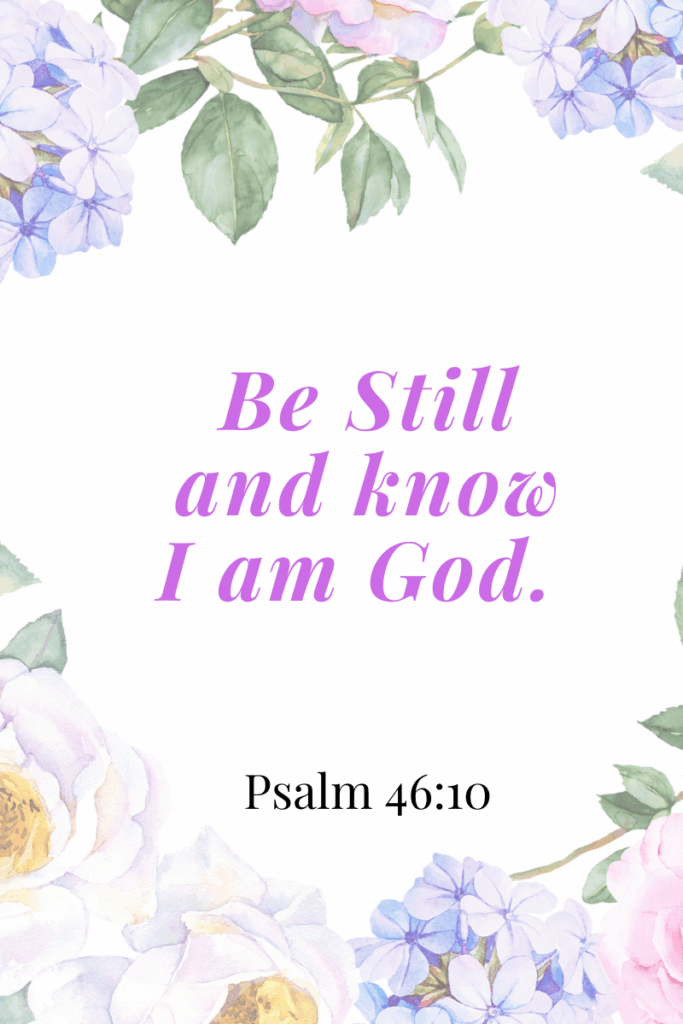
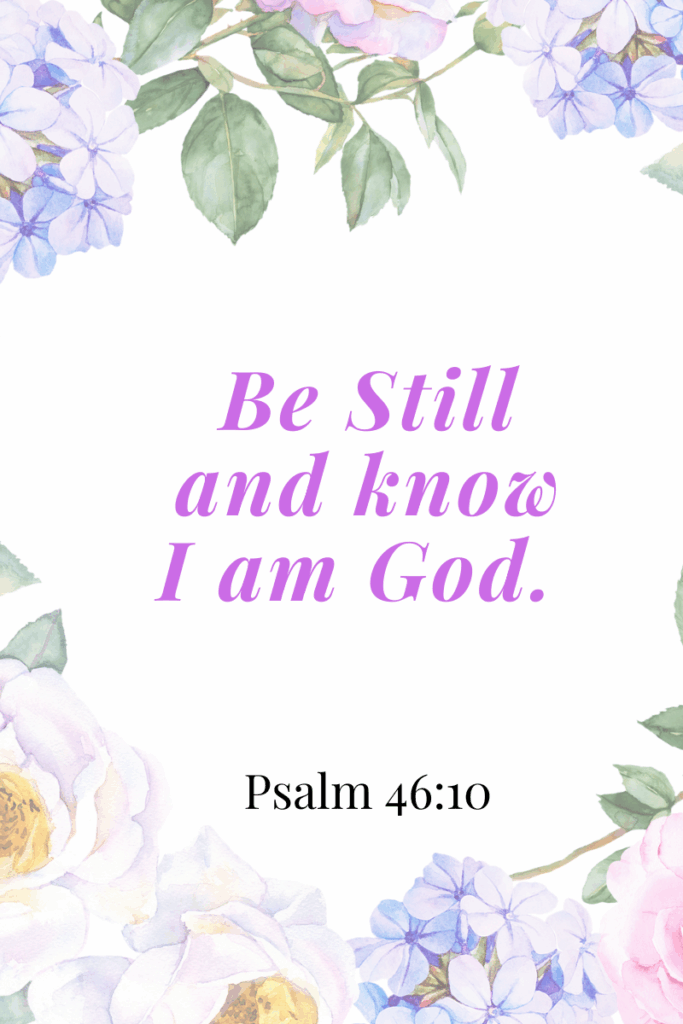
Friends, there is always hope found in the promises of God. While we may not always understand His plan for what is happening around us, we can rest assured He keeps His promises.
I keep on my desk some flash cards that I made with a few of the promises of God that I read when I am overwhelmed, anxious, and scared. I wanted to share those with you.
You can download them below for free.
Final Thought
Feeling overwhelmed by bad news doesn’t mean you’re weak—it means you’re human. The world is complex and often difficult, and caring about it is part of what makes you compassionate. But caring doesn’t mean you have to carry it all alone or all at once.
So next time the weight of it all feels too heavy, pause, protect your mind, and remember: you’re allowed to step back, breathe, and focus on what you can control. You’ll find that little by little, the heaviness lifts, and you’ll be ready to keep moving forward—one day, one step at a time.